

FAQs About Grain-Free Dog Food
How do you know if a grain-free diet is best for your dog? If you’re a pet owner that’s trying to find the best food for your dog and are considering grain-free options, it’s important to read these frequently asked questions about ingredients, diet requirements, and what is guaranteed on your pet food label. In order to choose the best food for your dog, you have to know what factors go into their health and how to compare different products on the market.
What does “grain-free” dog food mean?
Grain-free dog food is formulated without common grains such as wheat, corn, rice, oats, or barley. Instead, it typically uses alternative carbohydrate sources like potatoes, peas, lentils, or sweet potatoes.
What ingredients are used in grain-free dog food instead of grains?
Grain-free dog foods often include ingredients like:
These ingredients provide carbohydrates and fiber while avoiding traditional grains. Protein sources such as salmon or beef remain central to the formula, and Loyall Life Grain Free options also include fruits, vegetables, and taurine for added vitamins and minerals.
Is grain-free dog food healthier than regular dog food?
Not necessarily. For most dogs, grains are a healthy source of nutrients. The overall quality of a dog food depends more on the quality of its ingredients and how well it meets your dog’s nutritional needs than whether it contains grains.
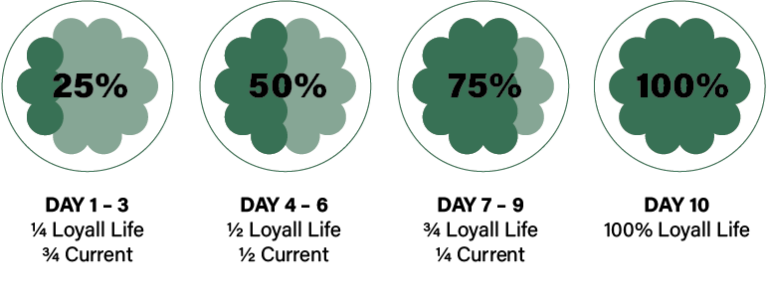
How do I transition my dog to a grain-free diet?
Start by mixing a small amount of the new food with your dog’s current food. Gradually increase the new food over 7–10 days while decreasing the old food. This slow transition helps prevent digestive issues and gives your dog time to adjust to the new taste and texture.
The feed room is proudly brought to you by Nutrena and Cargill Animal Nutrition. Read the original article here.